DIY Italy Trip vs. Professional Trip Planning: An Honest Comparison


Every year, thousands of people sit down to plan their own Italy trip with a laptop, a dozen browser tabs, and good intentions. Some of them pull it off beautifully. Others end up losing a full day of their vacation to a missed train they never saw coming. As a travel advisor who has planned Italy trips professionally and traveled there myself many times over, I want to give you the honest version of this comparison, not the version that just tells you to hire an advisor because that's what I do for a living.
Here's what DIY planning actually costs you in time and risk, where it genuinely works fine, and what a hybrid approach looks like if you don't want to fully give up the planning process.
How Much Time DIY Planning Actually Takes
Be honest with yourself about this one before you commit to doing it all yourself. Planning an Italy trip properly, meaning researching regions, comparing hotels, figuring out train routes, and picking tours that are actually worth the money, easily takes 20 to 40-plus hours. That's not a scare number. That's what it takes to do it well, as I lay out in more detail in my complete guide to planning a trip to Italy.
The two biggest rabbit holes I see people fall into are trains and deciding which regions to actually visit. Italy's train system looks simple until you're trying to time connections between cities, and almost everyone underestimates how much travel time eats into a trip when you're trying to see more than one or two regions.
Working with an advisor doesn't just save you those hours. It also protects you from the mistakes people make when they're 30 hours deep into research and starting to just guess.

A DIY Trip That Went Sideways
Here's a real example. A couple planned to visit Rome, Florence, Venice, and the Amalfi Coast in a single week. On paper, it looked doable. In practice, they underestimated the actual travel time between each stop, missed a train, and had to buy new tickets on the spot. That mistake alone cost them almost a full day of their vacation and a few hundred extra euros in transportation they hadn't planned for.
None of that happened because they weren't smart or capable travelers. It happened because Italy's geography and train timing aren't intuitive if you haven't dealt with them before, and a one-week, four-region itinerary simply didn't leave any margin for error.

Where DIY Planning Genuinely Works Fine
I'm not going to pretend every part of an Italy trip needs a professional. Some parts are perfectly fine to handle yourself.
- Booking your own flights
- Choosing simple, low-stakes activities
- Planning the trip yourself if you genuinely enjoy the research and have the time to do it right
If you're an experienced traveler who loves the planning process and has flexibility built into your schedule, DIY can work well for you. Where an advisor adds real value is with complex, multi-city itineraries, first-time visits to Italy, special occasions, or anytime you'd rather spend your hours enjoying the trip instead of researching it — which is the same case I make in is hiring a travel advisor for Italy worth it.
The Real Comparison, Same Budget
This is the part people usually don't expect. Working with an advisor on the same budget doesn't typically mean spending more. It means spending smarter, the same way timing your flights right can nearly halve what a trip to Italy costs.
Here's a scenario I see often. Two couples each budget around $4,500 for a 10-day Italy trip.
The DIY travelers found a hotel outside Venice that looked like a bargain. What they didn't factor in was daily transportation into the city, hauling luggage on and off crowded trains, and several hours lost checking in and out of multiple hotels throughout the trip.
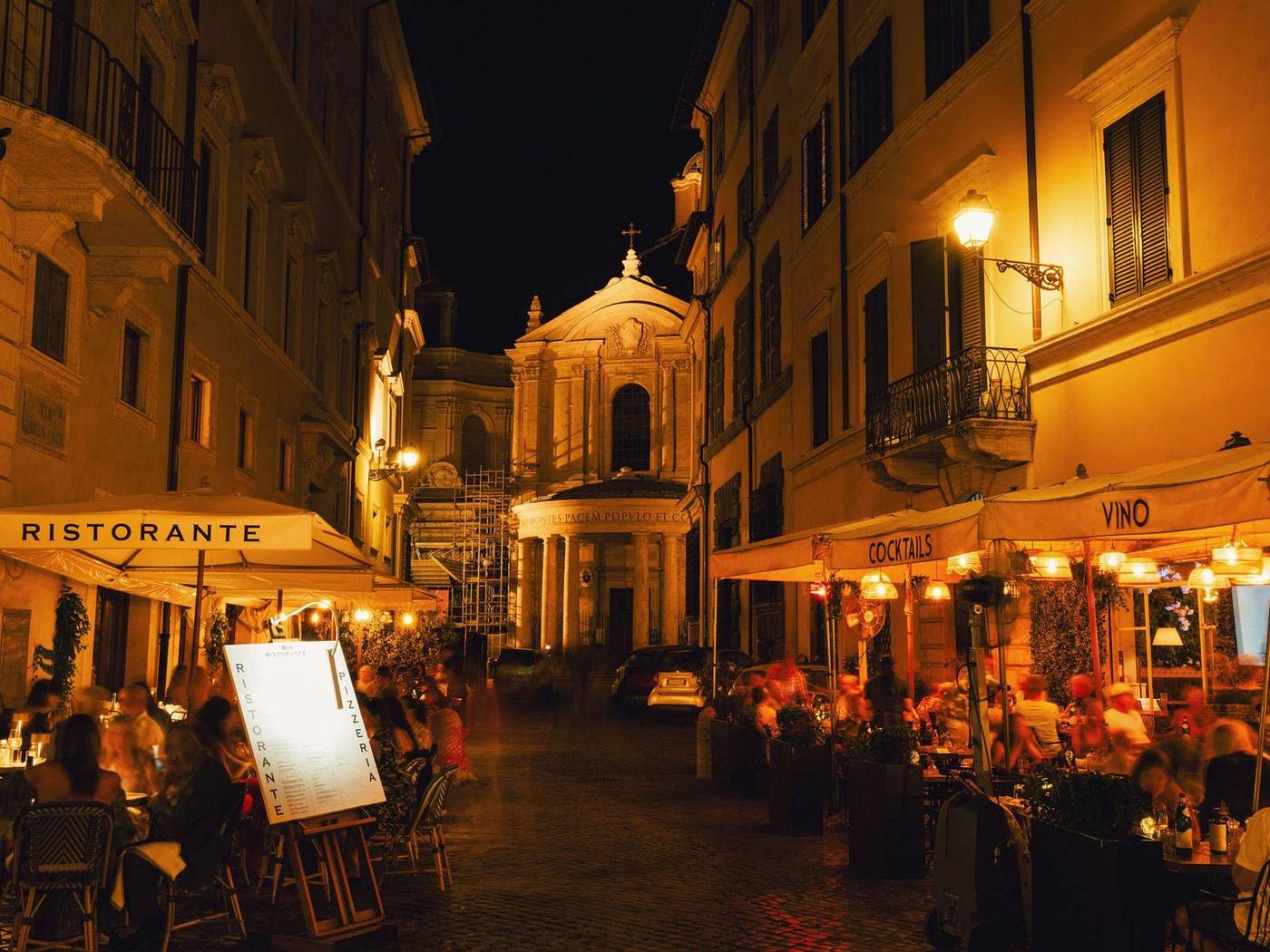
The professionally planned itinerary used a centrally located hotel instead, timed train connections more efficiently, and grouped sightseeing by neighborhood so there was less backtracking across the trip.
The total cost between the two trips ended up nearly identical. The difference was almost a full extra day of sightseeing gained, and several stressful travel days avoided entirely. Same money, a noticeably better trip.
My Honest Verdict: It Doesn't Have to Be Either/Or
If you're expecting me to say it's always worth hiring an advisor for everything, that's not actually my take. The best approach for a lot of travelers is a hybrid one.
DIY the simple parts, like booking your own flights or handling basic research if you enjoy it, and bring in an advisor for the pieces that actually make or break a trip: choosing the right regions, hotels, transportation, tours, and building an itinerary that flows instead of backtracking. That combination gives you the freedom of planning it yourself where you want to, with the confidence of expert guidance where it actually matters. It's the exact hybrid I build into every Italy trip planning consultation.
Some of my clients like a fully laid-out plan they can print and carry with them. Others just want the framework handled and fill in the small details themselves. Either way works. What matters is knowing which parts of the process are worth your time, and which parts are worth having someone who's already made the mistakes handle for you.

If the thing holding you back is not knowing what the advisor side costs, that's worth clearing up first — here's how travel advisors get paid, and whether using one costs you more.
The Bottom Line
DIY planning isn't wrong, and professional planning isn't a luxury only for people who don't want to think about their trip. It comes down to how much time you have, how much research you actually enjoy, and how much margin for error your itinerary can afford. For a simple, single-region trip with flexible travelers, DIY can work beautifully. For anything more complex, a hybrid approach, or full professional planning, tends to protect both your time and your budget in ways that are hard to see until you've lived through a missed train yourself.